


Cryptids (of cryptozoology)
Ropen of Papua New Guinea In 1996, Blume saw a glow of something on a cliff above a mangrove swamp around Manus Island in Papua New Guinea. He was assisting Carl Baugh, of Texas, in searching for pterosaur-like creatures seen in that area. ("dragons") American Pterosaurs Jonathan Whitcomb, after writing Searching for Ropens, Living Pterosaurs in Papua New Guinea, received many emails from eyewitnesses of similar creatures in the United States. New Britain Creature Late in 2006, Garth Guessman, a living-pterosaur investigator, interviewed three Americans who had worked in or visited a medical mission in Central New Britain Island, Papua New Guinea. The three had separate sightings of what may be Pterodactyloids (short-tailed pterosaurs).A Classified Animal
Coelacanth fish ("prehistoric" fish) When a living coelacanth fish was found in 1938 it was hailed as the scientific sensation of the century. Until then, the coelacanth (pronounced SEE'-luh-canth) was known to science only from fossils. Scientists generally believed coelacanths had become extinct 60 or 70 million years ago. Since 1938 many more living coelacanths have been caught.Are Alligators ancient?
An Alligator is a crocodilian in the genus Alligator of the family Alligatoridae. The name alligator is an anglicized form of the Spanish el lagarto (the lizard), the name by which early Spanish explorers and settlers in Florida called the alligator. There are two living alligator species: the American alligator (reptile: Alligator mississippiensis) and the Chinese alligator (Alligator sinensis).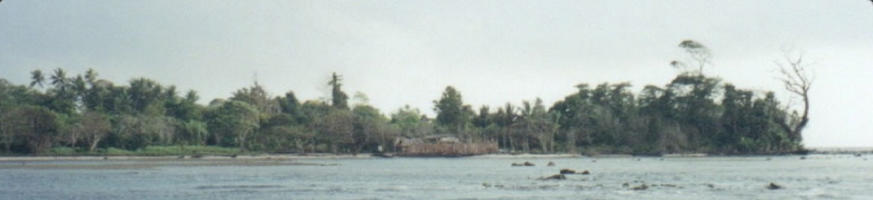
Giving you the truth about life on our wonderful planet
Live Pterosaurs | 5347 South New Hampton Drive | Murray, Utah, USA | 84123 | contact Jonathan Whitcomb
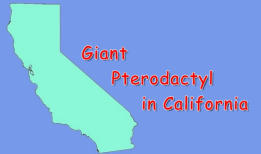
Youtube video on modern pterosaurs seen
in California in recent years










Cryptids (of cryptozoology)
Ropen of Papua New Guinea In 1996, Blume saw a glow of something on a cliff above a mangrove swamp around Manus Island in Papua New Guinea. He was assisting Carl Baugh, of Texas, in searching for pterosaur-like creatures seen in that area. ("dragons") American Pterosaurs Jonathan Whitcomb, after writing Searching for Ropens, Living Pterosaurs in Papua New Guinea, received many emails from eyewitnesses of similar creatures in the United States. New Britain Creature Late in 2006, Garth Guessman, a living-pterosaur investigator, interviewed three Americans who had worked in or visited a medical mission in Central New Britain Island, Papua New Guinea. The three had separate sightings of what may be Pterodactyloids (short-tailed pterosaurs).A Classified Animal
Coelacanth fish ("prehistoric" fish) When a living coelacanth fish was found in 1938 it was hailed as the scientific sensation of the century. Until then, the coelacanth (pronounced SEE'-luh-canth) was known to science only from fossils. Scientists generally believed coelacanths had become extinct 60 or 70 million years ago. Since 1938 many more living coelacanths have been caught.Are Alligators ancient?
An Alligator is a crocodilian in the genus Alligator of the family Alligatoridae. The name alligator is an anglicized form of the Spanish el lagarto (the lizard), the name by which early Spanish explorers and settlers in Florida called the alligator. There are two living alligator species: the American alligator (reptile: Alligator mississippiensis) and the Chinese alligator (Alligator sinensis).
Giving you the truth about life
on our wonderful planet
Youtube video on modern pterosaurs seen
in California in recent years

Live Pterosaurs | 5347 South New Hampton Drive | Murray, Utah, USA | 84123